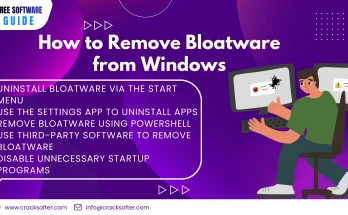
Windows 11 comes with many pre-installed apps that most users never use. These unnecessary apps are called bloatware. They consume RAM, storage, and CPU resources, making your PC slow. That’s why many users search for how to remove Windows 11 bloatware, best bloatware remover Windows 11, and how to remove all bloatware from Windows 11.
This guide explains safe and effective methods to clean your system without breaking Windows.
What Is Bloatware in Windows 11?
Bloatware includes:
- Pre-installed Microsoft apps
- Trial apps
- Background services
- Promotional software
These apps:
- Slow boot time
- Reduce system performance
- Waste disk space
Benefits of Removing Windows 11 Bloatware
After removing bloatware:
- Faster startup
- More free RAM
- Improved battery life
- Better gaming performance
Method 1 – Remove Bloatware Using Settings (Safe)
Steps:
- Open Settings
- Go to Apps → Installed apps
- Select unwanted app
- Click Uninstall
Safe Apps to Remove:
- Xbox apps
- News
- Weather
- Feedback Hub
- Clipchamp
Method 2 – Remove All Bloatware Using PowerShell
Use carefully:
Get-AppxPackage | Remove-AppxPackage
Best Bloatware Remover for Windows 11 (Free)
1. O&O AppBuster
- Free & safe
- Restore removed apps
- Beginner-friendly
2. BCUninstaller
- Removes leftovers
- Advanced options
These are among the best bloatware remover tools for Windows 11.
How to Remove All Bloatware from Windows 11 Safely
Follow this order:
- Settings uninstall
- O&O AppBuster
- Disable startup apps
Never delete system files manually.
Common Mistakes to Avoid:
| ❌ | Using cracked cleaners |
| ❌ | Deleting system apps |
| ❌ | Removing Microsoft Store |
| ❌ | Running unknown scripts |
Does Removing Bloatware Improve Performance?
Yes. Removing background apps:
- Frees RAM
- Reduces CPU load
- Improves gaming FPS
- Boot speed
- RAM usage
- Battery life
Is this safa windows software?
Final Advice
If your PC feels slow, learning how to remove Windows 11 bloatware is one of the best free optimizations you can do. Follow safe methods and your system will feel fresh again. Always create a restore point before advanced removal. Do you want to Free AI software for PC?
Frequently Asked Questions? (FAQs)
What is bloatware in Windows 11?
Windows 11 bloatware refers to pre-installed apps and background services that come with the operating system but are not essential for most users. These apps often consume system resources, slow down performance, and reduce available storage. Bloatware = unnecessary apps installed by default in Windows 11.
Is it safe to remove bloatware from Windows 11?
Yes, it is safe to remove bloatware as long as you avoid uninstalling critical system apps like Microsoft Store, Windows Security, or device drivers. Removing non-essential apps can actually improve system speed and stability. Removing bloatware is safe and recommended for better performance.
Does removing bloatware improve Windows 11 performance?
Absolutely. Removing bloatware can:
-
Speed up boot time
-
Reduce background CPU and RAM usage
-
Improve battery life (especially on laptops)
-
Free up storage space
Yes, removing bloatware improves speed, performance, and battery life.
What are the most common bloatware apps in Windows 11?
Some common Windows 11 bloatware apps include:
-
Xbox apps
-
Microsoft Teams (consumer version)
-
Clipchamp
-
Cortana
-
OneDrive (optional for many users)
-
News, Weather, and Tips apps
These apps are safe to remove if you don’t use them.
How can I remove Windows 11 bloatware without breaking the system?
The safest ways are:
-
Uninstall apps from Settings → Apps → Installed apps
-
Use PowerShell commands (carefully)
-
Use a trusted bloatware remover tool
Avoid random scripts from unknown websites.
Can I remove Windows 11 bloatware without using third-party software?
Yes. You can remove most bloatware using:
-
Windows Settings
-
PowerShell (built-in tool)
However, some stubborn apps require advanced commands or trusted third-party tools.
What is the best bloatware remover for Windows 11?
Some safe and popular options are:
-
Windows PowerShell (manual but powerful)
-
Microsoft-approved tools
-
Trusted uninstallers (used carefully)
Avoid cracked or pirated “debloater” tools.
Will removing bloatware affect Windows updates?
No. Removing non-essential apps does not affect Windows Update as long as system services remain intact. Windows updates will continue normally. No, bloatware removal does not stop Windows updates.
Can bloatware come back after Windows updates?
Yes, sometimes Windows updates may reinstall certain apps. This is normal behavior. You can remove them again or disable auto-install features.
Is bloatware removal legal?
Yes. Removing bloatware from your personal Windows 11 PC is 100% legal. You are allowed to uninstall apps you don’t want.
How often should I remove bloatware?
You only need to remove bloatware:
-
After a fresh Windows install
-
After major Windows feature updates
No need to do it repeatedly.
Does bloatware removal help gaming performance?
Yes. Removing background apps can:
-
Increase available RAM
-
Reduce CPU usage
-
Improve FPS stability in games
Can beginners remove Windows 11 bloatware?
Yes. Beginners should stick to:
-
Settings app method
-
Step-by-step guides (like this one)
Advanced users can use PowerShell.
Conclusion
Removing bloatware from Windows 11 is one of the easiest and most effective ways to improve your PC’s performance, responsiveness, and overall user experience. Pre-installed apps may not seem harmful at first, but over time they consume system resources, slow down startup, and reduce available storage—especially on low-end or older hardware.
By carefully uninstalling unnecessary apps using safe built-in methods or trusted tools, you can make Windows 11 cleaner, faster, and more efficient without affecting system stability or updates. Whether you’re a beginner looking for simple settings-based removal or an advanced user using PowerShell commands, bloatware removal gives you full control over your system.
If your goal is a faster PC, better battery life, smoother gaming performance, or a distraction-free workspace, removing Windows 11 bloatware is a smart first step. Keep your system clean after major updates, avoid risky third-party scripts, and always focus on performance-first optimization.
A clean Windows installation means a better Windows experience…